
With the increasing prevalence of insomnia in modern society, the effectiveness of Gua Sha Therapy in improving sleep quality has garnered significant attention.
Insomnia is a common sleep disorder characterized by difficulty falling asleep, frequent awakenings, early waking, or poor sleep quality. Chronic insomnia can weaken the immune system, impair cognitive function, and negatively impact mental health. While conventional treatments such as medication and psychological therapy are commonly used, concerns about side effects and dependency have led many to seek alternative approaches. This article will explore the role of Gua Sha therapy in managing insomnia.
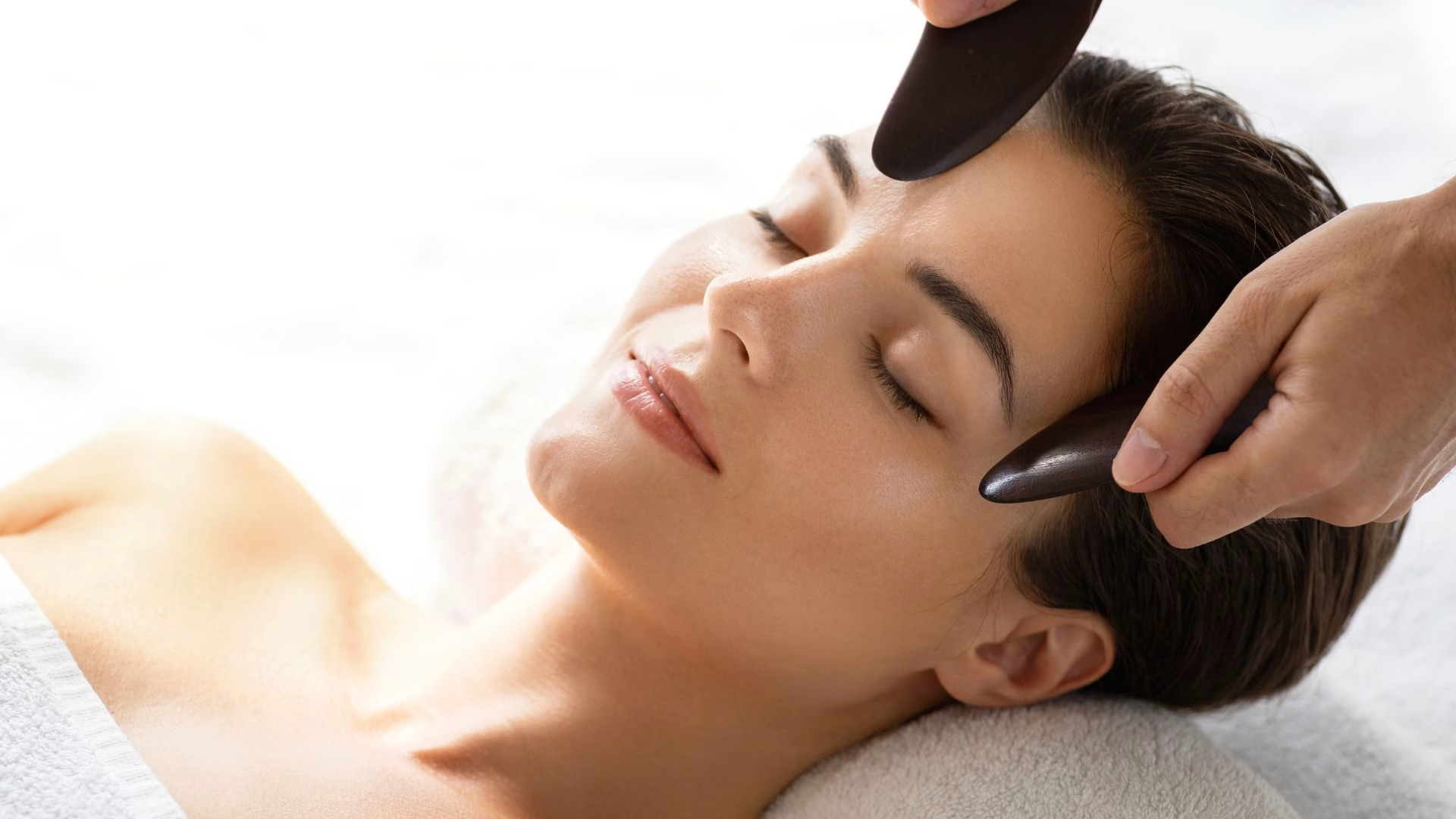
Understanding Gua Sha Therapy
1. Definition and Principles of Gua Sha
Gua Sha is a traditional Chinese therapy that involves scraping specific areas of the skin to stimulate meridians and acupuncture points, promoting blood circulation and regulating organ function. This technique is used for both preventive healthcare and therapeutic purposes.
2. Historical Background
Gua Sha has a long history, with references found in ancient Chinese medical texts such as the Huangdi Neijing (Yellow Emperor’s Inner Canon). Ancient practitioners discovered that scraping the skin could relieve bodily discomfort, leading to the development of this technique as a widely applied therapy in traditional Chinese medicine (TCM). In recent years, Gua Sha has gained popularity in Western countries, particularly in the field of beauty and wellness.
How Gua Sha Improves Sleep
1. Meridians and Energy Flow Regulation
In TCM, meridians play a crucial role in maintaining overall health. Disruptions in energy flow can lead to various health issues, including insomnia. According to TCM theory, insomnia is often associated with excessive liver and heart fire or imbalances in Qi and blood circulation.
By stimulating specific acupoints such as the Bladder Meridian on the back, Baihui (GV20), and Taiyang (EX-HN5) on the head, Gua Sha helps to unblock meridians, balance energy flow, and alleviate nervous tension, ultimately promoting deeper sleep.
2. Nervous System Modulation
Beyond its TCM basis, modern research suggests that Gua Sha influences the autonomic nervous system, inducing a state of relaxation and reducing anxiety and stress, which are common contributors to insomnia. Additionally, Gua Sha promotes the release of beta-endorphins, natural compounds known for their calming and sleep-enhancing effects. Its mechanism is similar to massage therapy, helping to relax the nervous system and improve sleep quality.
Clinical Studies and Effectiveness of Gua Sha for Insomnia

Recent clinical studies have evaluated the effectiveness of Gua Sha in treating insomnia. For example, a study involving 100 insomnia patients found that after two weeks of Gua Sha therapy, over 70% of participants reported significant improvements in sleep quality, with no notable side effects. Furthermore, combining Gua Sha with other TCM treatments such as acupuncture and moxibustion can enhance its effectiveness.
However, for optimal and safe results, it is advisable to seek guidance from a qualified practitioner before attempting Gua Sha therapy for sleep disorders.
Advantages and Limitations of Gua Sha Therapy
1. Advantages
- Simple and Convenient:Gua Sha does not require specialized medical equipment and can be performed at home with proper guidance.
- Minimal Side Effects:Unlike sleeping pills, Gua Sha does not cause drug dependence or chemical-related side effects.
- Cost-Effective:A basic Gua Sha tool and some massage oil are all that is needed. Gua Sha tools are generally affordable, often priced around $10 or even less.
2. Limitations
- Individual Variability:The effectiveness of Gua Sha varies among individuals due to differences in body constitution and response to therapy.
- Limited Clinical Evidence:While preliminary studies support its benefits, larger-scale randomized controlled trials are needed to validate its long-term effectiveness. At present, Gua Sha should be considered a complementary therapy rather than a standalone treatment.
Comparison with Other Insomnia Treatments
1. Comparison with Western Medicine
Conventional medications for insomnia, such as melatonin supplements and sedatives, provide rapid relief but can lead to dependence with prolonged use. In contrast, Gua Sha offers a safer, drug-free alternative, making it an attractive option for those seeking natural remedies.
2. Comparison with Other TCM Therapies
Acupuncture, massage, and moxibustion are also effective TCM treatments for insomnia. However, Gua Sha is easier to perform independently, making it ideal for home-based sleep management. Regular practice can contribute to long-term sleep improvements.
Conclusion
Based on modern research and clinical findings, Gua Sha has demonstrated its potential as an effective therapy for insomnia. If you struggle with sleep disturbances, Gua Sha may offer a natural and non-invasive way to improve sleep quality. However, its effects vary from person to person, and if results do not meet expectations, exploring other treatment options may be necessary.
Regardless of the chosen approach, seeking professional medical advice is always recommended to ensure safe and effective insomnia management.