
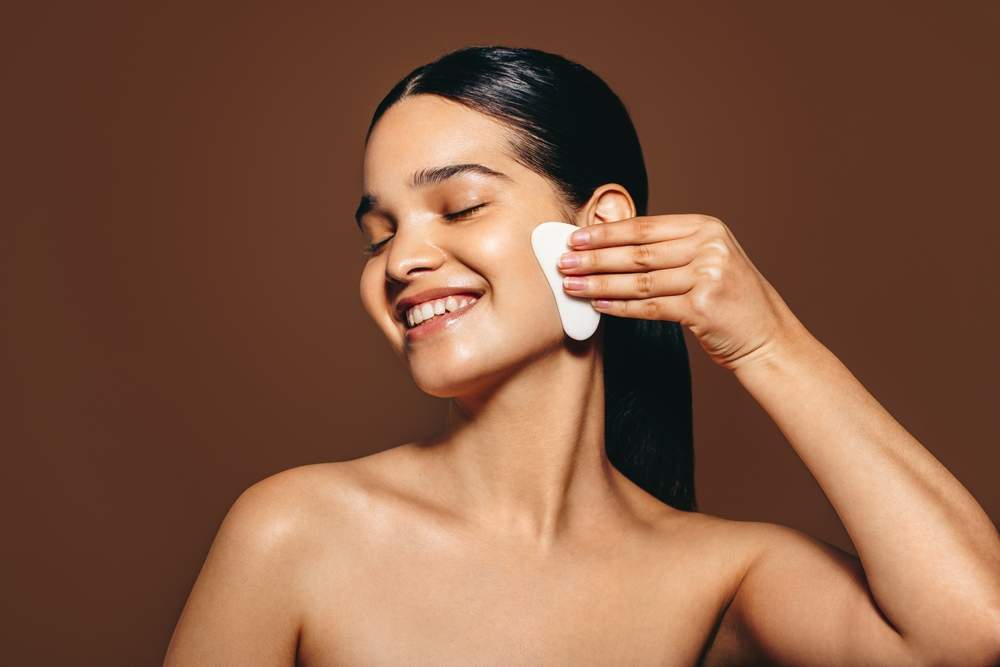
Influenced by natural therapy trends, gua sha has gradually moved beyond the realm of traditional Chinese medicine and into the beauty, fitness, and e-commerce sectors in recent years. Articles and videos about how to use gua sha have sprung up everywhere. But is doing gua sha every day really good for you? While many believe that “a daily gua sha brings health and beauty,” hidden risks might be going unnoticed.
Today, we’ll explore the true nature of gua sha from three key aspects: its mechanism, the potential risks of daily gua sha, and scientific recommendations for safe application. This will help you enjoy its benefits while avoiding the pitfalls.
How Gua Sha Works and Its Benefits
Gua sha originates from ancient China and is based on traditional Chinese medicine theories of meridians and qi-blood flow. It involves using tools such as gua sha boards or ceramic spoons to scrape specific areas of the body, often targeting acupuncture points. The scraping motion is believed to stimulate circulation, relieve blood stagnation, and improve the flow of energy in the body.
From the TCM perspective, gua sha helps invigorate blood flow, clear blockages in the meridians, and balance the body’s internal systems. Over time, its benefits have extended into areas like muscle recovery and beauty care. Today, many people use gua sha as a skincare routine or post-workout massage tool.
When used appropriately, gua sha can indeed offer many health benefits.
The Hidden Risks of Daily Gua Sha
Like anything in life, moderation is key. Excessive gua sha may not only be unhelpful but could also cause harm. Here are the potential risks of daily gua sha:
- Skin Damage
- Repeated friction on the skin can lead to redness, sensitivity, and even pigmentation issues.
- The facial skin is especially delicate and more prone to irritation.
- Bruising and Broken Capillaries
- Especially common if too much force is used or the session is too long.
- Often occurs on the shoulders, neck, back, and legs.
- Worsening of Conditions in People with Low Vitality
- In TCM terms, people with qi or blood deficiency should avoid frequent gua sha.
- May trigger dizziness, fatigue, and weakened immunity.
- Overstimulation of the Immune System
- Excessive gua sha can keep the immune system in a heightened, imbalanced state.
- This may lead to fatigue, poor sleep quality, and other systemic issues.
Scientific Recommendations: Proper Frequency and Methods
To reap the benefits of gua sha and avoid the risks, proper and informed use is essential:
- Body Gua Sha: 1–3 times per week is sufficient. Avoid daily sessions. Body gua sha often requires more pressure, which can cause capillaries to rupture and leave reddish-purple marks (“sha”). Wait until these fade completely before the next session. Avoid gua sha when inflamed or overly fatigued.
- Facial Gua Sha: Can generally be done daily with light, gentle strokes that won’t damage the skin.
Best Practices:
- Use a lubricating medium (like oil or serum).
- Choose tools made of appropriate materials.
- Apply moderate pressure—never too hard.
- Special Groups: Pregnant women, the elderly, and individuals with medical conditions should only practice gua sha under professional guidance.
Gua sha can indeed bring numerous benefits when used correctly. However, daily gua sha doesn’t necessarily lead to better results. The best routine is the one that suits your individual needs. Listen to your body and respond accordingly.