
What is gua sha? In this article, we’ll provide a brief overview of Gua Sha, covering four main aspects: 1. The origin and history of Gua Sha. 2. The effects of Gua Sha. 3. The principles behind Gua Sha. 4. How to use Gua Sha and necessary precautions. Stay tuned for future articles where we’ll delve deeper into each of these topics.
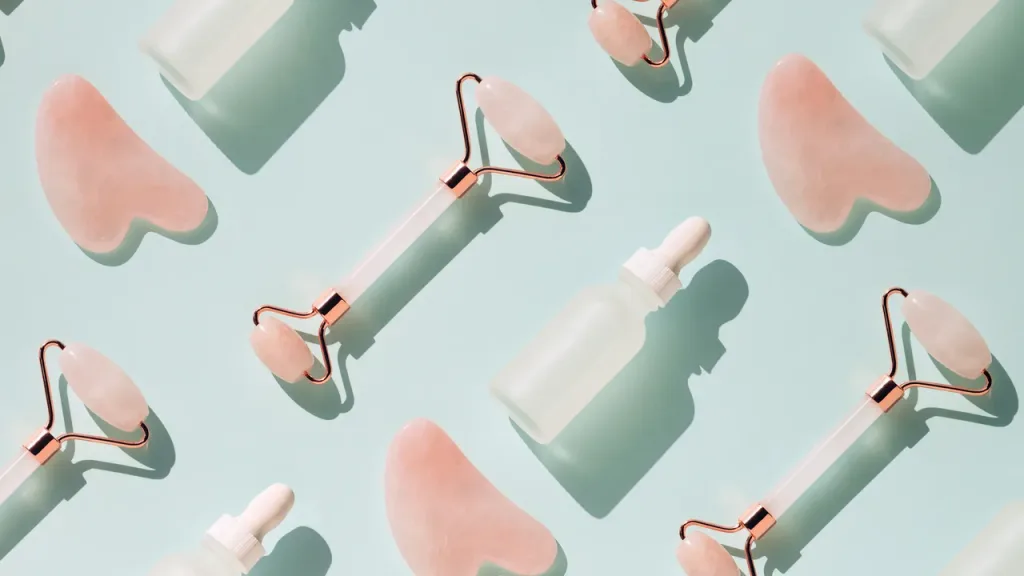
1. What is Gua Sha? The Origin and History
Gua Sha has its roots in China, dating back over 2,000 years. It is a key component of traditional Chinese medicine (TCM), initially used to relieve pain, reduce inflammation, and promote overall health. The technique involves scraping the skin with a smooth tool, which has evolved from primitive stones to porcelain spoons and is now commonly made from jade or other natural materials. Historical records document various applications of Gua Sha, ranging from folk medicine to more structured medical practices.
2. What are Effects of Gua Sha

Treatment: Within TCM, Gua Sha is utilized to address a range of conditions, including muscle pain, respiratory issues, and digestive problems. Practitioners believe it alleviates stagnation in the body, enhances blood circulation, and strengthens immune function. It’s particularly popular in China, where many people seek Gua Sha treatment after long work hours or strenuous exercise to relieve fatigue and aid recovery from injuries.
Beauty: Recently, Gua Sha has gained traction in the beauty industry as a skincare tool. It is believed to promote lymphatic drainage, reduce puffiness, improve skin tone, and boost collagen production, contributing to a more youthful appearance. However, further research is needed to fully understand these effects.
3. How Gua Sha Works
Gua Sha operates on the principle of TCM, which states that energy (qi) flows through meridians in the body. Disruptions in this flow can lead to pain and illness. By stimulating microcirculation, Gua Sha helps release toxins, enhance blood flow, and restore energy balance. It may also activate the body’s natural healing processes, promoting cellular repair and regeneration.
4. How to Use Gua Sha

Tips:
- Select a Gua Sha tool made from jade, rose quartz, or similar materials.
- Apply a facial oil or serum to your skin to minimize friction.
- Hold the tool at a 15-45 degree angle and gently scrape along the skin, moving upwards and outwards.
- Focus on areas with tension or puffiness, such as the jawline, cheekbones, and forehead.
Precautions:
- Avoid using Gua Sha on broken skin, rashes, or areas with active acne.
- Use gentle pressure to prevent bruising; a light touch is usually adequate.
- If you have certain medical conditions, such as blood clotting disorders, consult a healthcare professional before using Gua Sha.
Potential Adverse Reactions:
While generally safe, some individuals may experience:
- Temporary redness or bruising.
- Sensitivity in the treated areas.
- In rare cases, skin irritation or allergic reactions to oils or products used with the tool.