
Gua Sha, a traditional Chinese therapy, has a history spanning thousands of years. Over time, its techniques have been refined and optimized. Today, Gua Sha is celebrated for its ability to alleviate fatigue, enhance physical well-being, and even promote beauty, making it increasingly popular in modern society.
This ancient wisdom, perfectly aligned with contemporary health needs, has found new life in today’s world. In this article, we will explore the deep connection between Guasha and Traditional Chinese Medicine (TCM), unveiling the mysteries behind this time-honored practice.
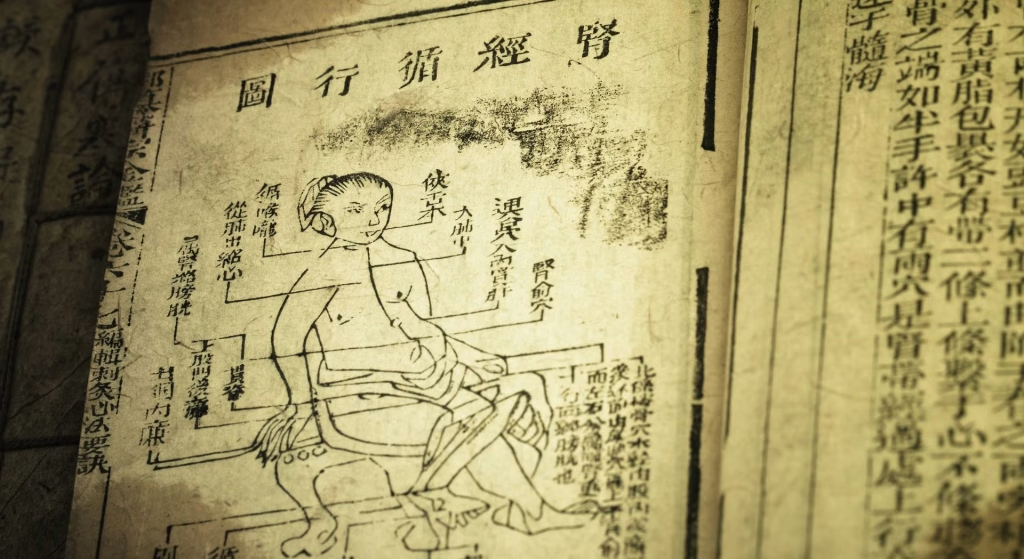
1. The Theoretical Foundation of Gua Sha in TCM
At the heart of TCM lies the concept of “Qi and blood” (气血). TCM posits that nearly all ailments are closely linked to the state of Qi and blood. Gua Sha works by unblocking and regulating Qi and blood flow within the body to achieve therapeutic effects.
Unblocking Meridians and Acupoints
Gua Sha stimulates specific areas of the body through scraping motions, targeting meridians and acupoints to promote Qi circulation and balance internal organ functions. According to TCM, the body’s meridians and acupoints are interconnected with various physiological functions, and stimulating specific points can address corresponding ailments.
For example, massaging the Fengchi acupoint on the neck can relieve headaches and fatigue, while stimulating the temples on either side of the forehead helps alleviate stress and enhance focus.
Balancing Qi, Blood, and Yin-Yang
TCM emphasizes that “where there is obstruction, there is pain.” Guasha helps release stagnation, improve Qi and blood flow, and restore the body’s Yin-Yang equilibrium.
If you’ve seen images or videos of Guasha, you may have noticed red marks, known as “Sha,” appearing on the skin afterward. In TCM, these marks indicate Qi and blood stagnation, which the therapy aims to resolve.
Expelling Cold and Dampness, Strengthening the Constitution
Gua Sha is also widely used in TCM to expel cold and dampness from the body, particularly after conditions such as colds or chills. This accelerates recovery and strengthens the body’s constitution over time.
2. The Benefits of Gua Sha: A TCM Perspective
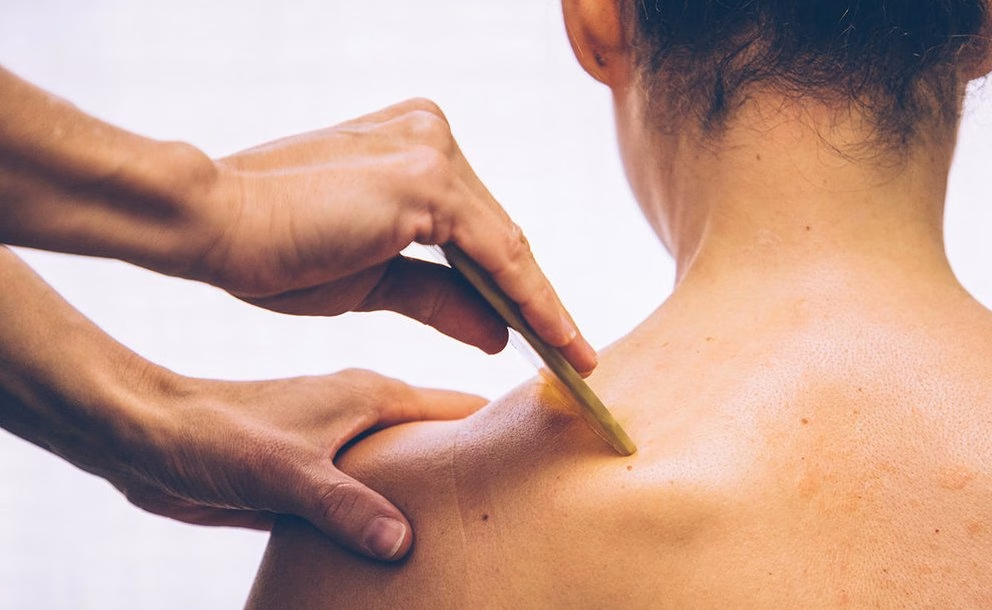
Gua Sha’s benefits extend beyond treating illnesses to encompass overall health improvement and even beauty enhancement. Its widely recognized benefits include:
1. Detoxification and Skin Rejuvenation
Gua Sha aids in expelling toxins, enhancing metabolic function, and improving skin texture and glow. This detoxifying effect is one reason Guasha is often associated with beauty and anti-aging.
2. Unblocking Meridians and Relieving Pain
For instance, scraping the shoulder and neck area can alleviate stiffness or pain caused by frozen shoulder, while back scraping helps ease lower back discomfort. These benefits arise from relieving muscle fatigue and promoting recovery.
3. Boosting Immunity
By stimulating lymphatic circulation, Gua Sha strengthens immune functions, reducing the likelihood of colds and illnesses. Improved circulation and a fortified immune system make the body more resilient to disease.
3. Applications of Gua Sha in TCM Health Practices
Gua Sha is not only used for therapeutic purposes but also plays a significant role in health maintenance. Many individuals incorporate regular Guasha sessions into their routines for its preventive and wellness benefits.
1. Seasonal Wellness
For example, scraping the liver meridian in spring aids in detoxification, while scraping the heart meridian in summer helps prevent heat-related ailments. Combining Guasha with meridian and acupoint theory enables seasonal health benefits.
2. Common Ailment Relief
Gua Sha can address symptoms such as headaches, colds, and indigestion by targeting areas where Qi and blood stagnation are most pronounced. This promotes both symptom relief and faster recovery.
3. Emotional Wellness
Gua Sha is effective in reducing stress and improving emotional well-being. In TCM, maintaining a positive state of mind is a cornerstone of health. Regular sessions can help balance emotions and promote relaxation.
4. Key Considerations: Ensuring Safe and Effective
1. Suitable Candidates and Contraindications
Gua Sha is particularly beneficial for individuals experiencing sub-health conditions such as chronic back pain from prolonged sitting, high stress levels, or sleep disturbances.
However, it is not recommended for pregnant women, individuals with cardiovascular diseases, or those with skin inflammation. Always consult a professional before attempting Guasha if you have any health concerns.
2. Professional Guidance and Safe Practices
Avoid excessive force during Gua Sha sessions and seek guidance from trained practitioners to ensure safety and effectiveness. While you can refer to basic tutorials for self-use, for the best results, it’s advisable to visit professional Gua Sha centers for expert care.
By understanding the profound connection between Guasha and Traditional Chinese Medicine, you can unlock the potential of this ancient practice for improved health and vitality. Whether for treatment, prevention, or overall wellness, Gua Sha serves as a bridge between traditional wisdom and modern needs.