
Recently, there’s been growing interest in how to identify authentic Gua Sha tools. Many users are asking how to verify the authenticity of the products they purchased, whether the materials are genuine, and why some seemingly identical tools are sold at significantly lower prices. To address these concerns, we believe it’s important to offer some clear guidance.
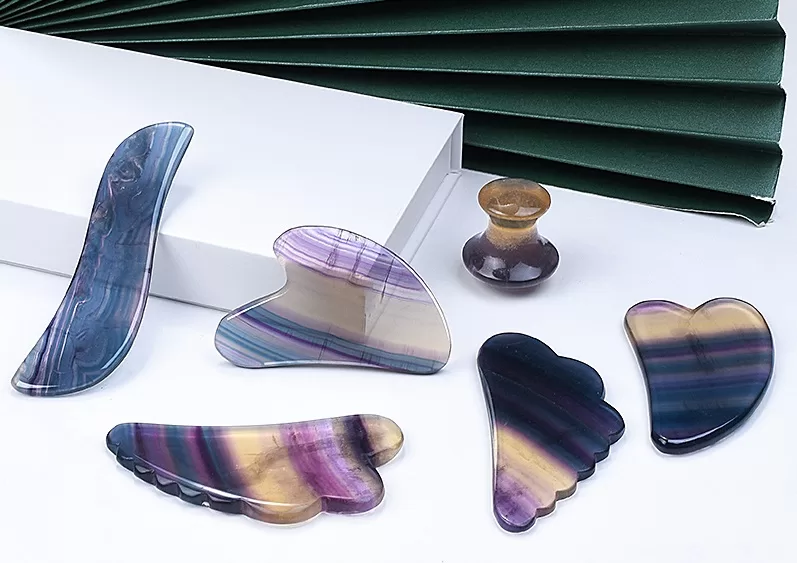
How to Identify Authentic Gua Sha Products?
This question can be approached from two main angles.
1. Is it a genuine branded product?
Counterfeit products are unfortunately common, especially in personal care and beauty tools. Many individuals or small vendors may falsely market their products under the name of well-known brands to make high profits—this is similar to what we see in the luxury and footwear industries.
To check if a product is from an authentic gua sha brand, the best way is to visit the brand’s official website and ask about verification methods. Most reputable brands provide detailed criteria you can use to inspect the product, including packaging design, color, logo details, and other identifiers.
2. Are the materials real?
This is often the most difficult part. Without specialized equipment, it’s hard to judge material authenticity by eye. However, there are still some indicators you can observe, such as density, hardness, and color consistency. These can offer general clues about whether the material is likely genuine.
Be aware that some sellers might use low-quality materials or substitute cheaper types from within the same category to imitate higher-value ones, which can be hard to detect.
Why Is This Jade Gua Sha Tool So Cheap? Could It Still Be Real?
First, we need to clarify what’s meant by “jade.” The term covers a broad range of stones. In a general sense, stones like Hetian jade and serpentine (commonly called “Southern Jade” in China) all fall under this umbrella. But in a stricter sense, most people associate “real jade” with high-value materials like white Hetian jade.
So, if a jade tool is sold at a surprisingly low price—and we rule out synthetic or fake items—chances are it’s made from serpentine, a very affordable natural stone. While still technically “jade,” it is much cheaper than materials like rose quartz or clear quartz.
On the other hand, if you’re specifically looking for nephrite or Hetian jade, then tools priced at $10–20 or even lower are almost certainly not made of genuine jade. They might be dyed marble, resin, or synthetic composites that only look similar on the surface.
Our Suggestions for Buyers
Before purchasing a jade Gua Sha tool, first determine what your actual needs and preferences are. Always choose reputable brands or trustworthy sellers to minimize your risk of being misled. If you’re buying a Gua Sha tool for the first time, we strongly recommend doing your research in advance.
If you need help verifying whether a authentic gua sha, feel free to contact us. We offer free material and authenticity assessments for your peace of mind.