
Have you ever considered that gua sha might improve your quality of life and overall health?
Modern women face fast-paced lifestyles and mounting stress. Issues like prolonged sitting, emotional fluctuations, cold constitution, and uterine coldness silently affect many of us. Do you often experience stiff shoulders and neck, painful periods, slow postpartum recovery, or sore muscles after exercise?
Today, let’s explore how guasha can become your reliable wellness companion throughout various stages of womanhood.
1. Guasha – Postpartum Recovery: A “Womb-Warming Guardian”
After childbirth, many women experience fatigue, shoulder and neck soreness, retained lochia, and blocked milk ducts—common postpartum concerns. In Traditional Chinese Medicine (TCM), gua sha is frequently used to ease and treat these symptoms.
Proper guasha can help:
Improve blood and energy circulation, speeding up uterine recovery
Relieve shoulder and back stiffness, promoting better milk flow
Expel cold and dampness, reducing the risk of “postpartum illness”
Postpartum illness refers to physical issues that can arise during the first month after childbirth in Chinese culture, due to restricted movement and a high-calorie diet. This may lead to joint pain, weight gain, and other complications.
Gentle reminders:
Avoid gua sha during the first postpartum week; wait until your body stabilizes.
Always consult and work with a trained professional, especially avoiding areas near a C-section incision.
Combine with moxibustion or essential oils for a gentler, warming effect.
Note: Individual results may vary. Because guasha requires specific professional knowledge and technique, it is highly recommended to seek treatment from qualified practitioners rather than attempting it on your own.
2. Gua Sha – Menstrual Care: A “Helper Against Uterine Cold”
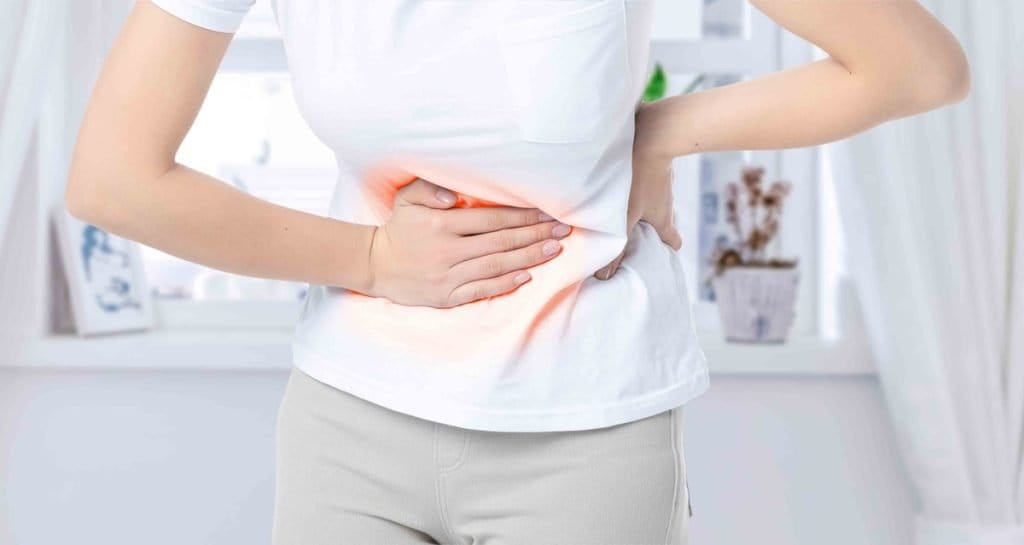
Many women suffer from cold sensitivity, menstrual pain, and mood swings during their period—often linked to “uterine cold,” a TCM term referring to cold energy affecting the uterus and disrupting balance.
Gua sha may help by:
Promoting pelvic blood circulation
Alleviating premenstrual tension and abdominal cramps
Warming the uterus and improving cold-damp constitutions
Tips for menstrual care:
In the three days before menstruation, gently scrape the lower abdomen, ST36 (Zusanli), and SP6 (Sanyinjiao) before bedtime
Use a warm gua sha tool or heated essential oils for a gentler experience
Avoid gua sha during heavy flow days to prevent discomfort
Note: Please seek professional guidance. The effectiveness of gua sha in this area is still under study and should be carefully considered.
3. Guasha – Sports Recovery: A “Muscle Repair Miracle”
As more women embrace fitness—whether through gym workouts, yoga, or cycling—post-exercise soreness and lactic acid buildup often follow. Fortunately, gua sha is highly effective in relieving deep muscle tension and promoting physical recovery.
After exercising, guasha can:
Relax tight muscles and reduce soreness
Speed up lactic acid metabolism and enhance recovery efficiency
Prevent fascial adhesions and reduce injury risks
Practical suggestions:
Within 30 minutes after working out, lightly scrape the thighs, shoulders, back, and arms
Use stainless steel or temperature-controlled electric gua sha tools for efficient results
Apply a small amount of essential oil to reduce friction and protect the skin
Note: Research strongly supports guasha‘s effectiveness in sports recovery. Always consult a professional for safe application, and stop immediately if any adverse reactions occur.
4. Gua Sha – Office Stress Relief: A “Workday Relaxation Ritual”
Eight hours at a desk can leave you with a stiff neck, tired eyes, and even headaches or insomnia. But did you know that gua sha might help your body feel more relaxed?
Try simple gua sha relaxation techniques during lunch breaks or after work:
Lightly scrape the Dazhui (GV14), Jianjing (GB21), and neck muscles for a few minutes
Use a portable gua sha stick to ease fatigue anytime, anywhere
Boost blood circulation, enhance concentration, and improve sleep quality
Note: Be sure to learn and understand proper guasha techniques before practicing, to avoid unwanted side effects.
A Friendly Reminder
While gua sha offers many benefits, it’s not suitable in the following situations:
If you have a fever, heavy menstruation, or skin injuries
During early or unstable stages of pregnancy
If you suffer from serious heart conditions or blood disorders—consult a doctor first
Gua sha is no longer just a traditional therapy for the elderly—it’s becoming more modern, younger, and versatile. When applied correctly and professionally, guasha can relieve many common women’s health concerns and support sports recovery. The key is to always approach it with care, proper knowledge, and the guidance of experienced practitioners.