
Gua Sha has been practiced for thousands of years, bringing significant benefits to many people in ancient China. Today, it continues to shine, gaining recognition in various fields, including sports rehabilitation.
In this article, we will explore the unique role of Guasha in sports recovery. As a traditional Chinese therapy, it is increasingly being acknowledged in the field of sports medicine. We will explain how it aids in the recovery from sports-related injuries and provide scientific evidence to support its effectiveness.
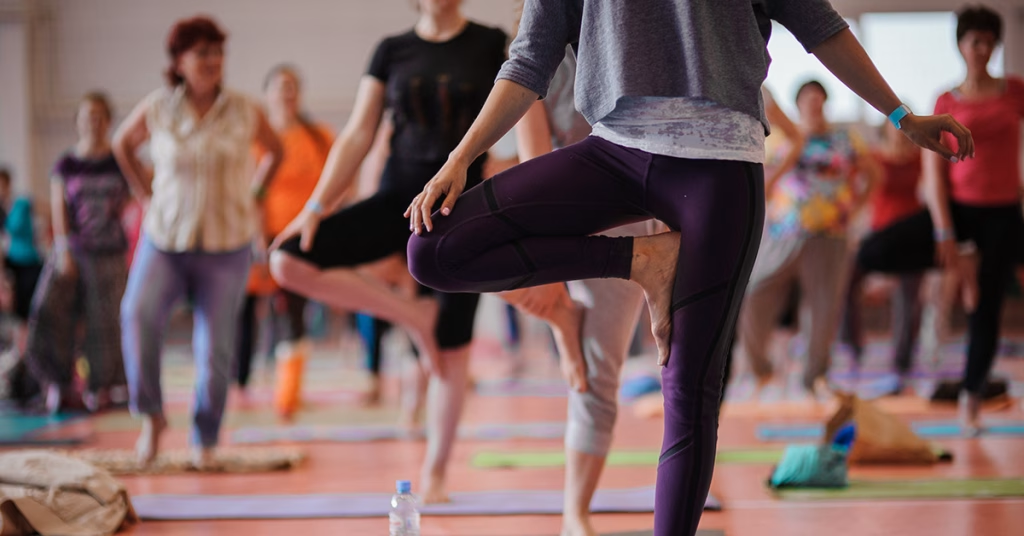
The Role of Gua Sha in Sports Rehabilitation
1. Promotes Blood Circulation and Reduces Lactic Acid Build-up
Have you ever experienced muscle soreness and stiffness one to three days after an intense workout? This discomfort is mainly caused by lactic acid accumulation and muscle fatigue. Although scientific studies suggest that lactic acid naturally breaks down within hours, Gua Sha can accelerate blood circulation, facilitating the metabolism of lactic acid and helping muscles regain elasticity more quickly.
2. Relieves Muscle Tension and Stiffness
Prolonged high-intensity exercise can cause muscle tightness, reducing athletic performance. This is why athletes incorporate stretching and massage into their pre- and post-workout routines—to relieve muscle tension, prevent injuries, and improve flexibility.
Similarly, Gua Sha helps release fascial adhesions and reduce muscle stiffness, particularly in areas like the shoulders, back, and legs.
3. Speeds Up Injury Recovery
For minor muscle strains and chronic inflammation, Guasha promotes microcirculation and enhances oxygen supply to damaged tissues, accelerating the healing process. Many athletes use Guasha as part of their post-training recovery routine to reduce inflammation and expedite muscle repair.
4. Enhances Athletic Performance
Gua Sha is not only beneficial for post-exercise recovery but can also be used before workouts to activate muscles, improve flexibility, and boost endurance. For instance, runners may use Gua Sha before a race to increase blood flow to the leg muscles, enhancing both stamina and explosive power.
Scientific Evidence Supporting Gua Sha in Sports Recovery
In recent years, modern medicine has increasingly studied Gua Sha’s therapeutic effects, particularly in sports rehabilitation. Research has shown that Guasha can effectively promote muscle recovery, alleviate pain, and enhance athletic performance.
Below are some key studies supporting its efficacy:
A 2011 study published in Alternative Therapies in Health and Medicine found that Guasha improves microcirculation and increases local blood flow, accelerating the breakdown of lactic acid and reducing delayed onset muscle soreness (DOMS).
Research in Journal of Complementary and Integrative Medicine demonstrated that Gua Sha induces a mild inflammatory response, which in turn enhances circulation and accelerates tissue repair.
A 2017 study in Journal of Traditional and Complementary Medicine highlighted Gua Sha’s effectiveness in myofascial release after sports injuries, reducing post-exercise stiffness and improving flexibility.
In the U.S., Gua Sha techniques have been integrated with Instrument-Assisted Soft Tissue Mobilization (IASTM) for treating sports-related injuries such as tendinitis and plantar fasciitis.
A 2015 study in Pain Medicine reported that Gua Sha reduces chronic neck pain and inflammation caused by sports injuries while promoting tissue healing.
Another study on athletes found that Gua Sha lowers C-reactive protein (CRP) levels—an important biomarker of inflammation—indicating its role in reducing inflammation.
A 2018 study in Journal of Sports Medicine showed that athletes who received Guasha treatment experienced significantly less muscle soreness within 48 hours post-exercise compared to those who received no intervention.
Research published in Journal of Strength and Conditioning Research in 2020 suggested that pre-exercise Gua Sha can improve joint range of motion (ROM) and enhance explosive power.
Precautions and Contraindications of Gua Sha
While Gua Sha offers many benefits for sports rehabilitation, it is essential to follow certain guidelines to ensure safety:
Avoid using Gua Sha on acute injuries such as fractures, ligament tears, or severe sprains. Professional medical treatment should be prioritized.
Regulate pressure intensity to prevent excessive bruising, which may hinder recovery.
Monitor skin reactions. Mild redness or petechiae (small red spots) are normal, but if severe pain or excessive bruising occurs, stop immediately and seek professional advice.
Consider individual conditions. Pregnant women, individuals with high blood pressure, or those with blood disorders should consult a healthcare professional before using Gua Sha.
Conclusion
Gua Sha has proven to be a valuable tool in sports rehabilitation, assisting in injury recovery, preventing further damage, and even enhancing athletic performance. However, proper technique and appropriate usage are crucial to avoid adverse effects. By using Gua Sha correctly, athletes and fitness enthusiasts can safely integrate this ancient practice into their recovery routines to support muscle health and overall well-being.