
The Gua Sha wholesale industry is booming with the growing popularity of health and wellness practices. Sales of Gua Sha boards have steadily risen, especially in Western markets, where consumers increasingly recognize this traditional therapy. As Gua Sha expands in the beauty industry, it’s no longer confined to health practices alone, finding a firm footing within skincare and wellness services.
Whether you sell health or beauty products, adding Gua Sha tools to your inventory is a wise choice. However, choosing the right material for wholesale is a crucial decision.
1. Gua Sha Wholesale – Market Trends
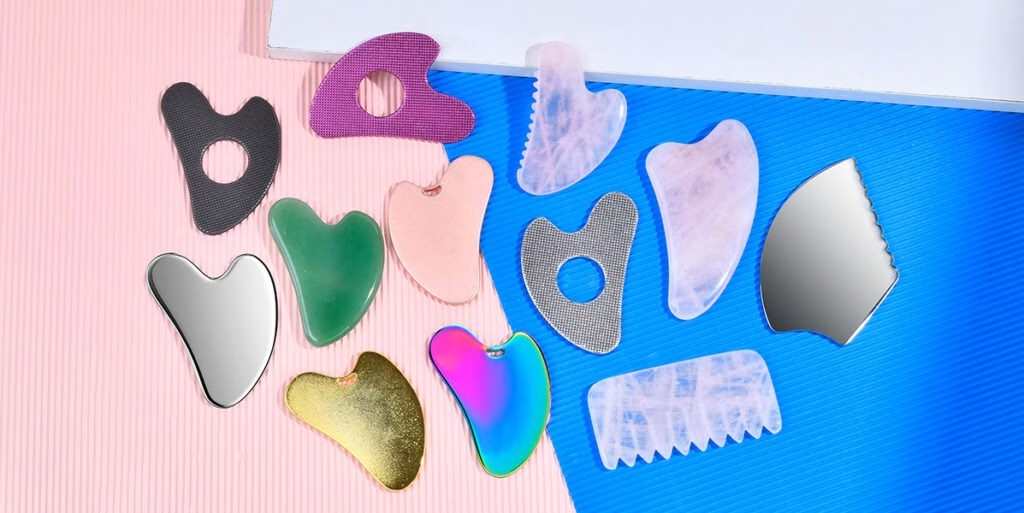
In recent years, jade and stainless steel Gua Sha boards have excelled in the market, while plastic and horn boards have shown a slight decline. This trend could be attributed to concerns over material safety and animal conservation.
Data shows that jade Gua Sha boards are thriving in high-end markets, particularly in Europe and the United States. Stainless steel boards have also gained popularity, especially among professional massage therapists and beauty salons, for their durability and ease of cleaning. In the entry-level market, resin Gua Sha boards are cost-effective, making them popular among general consumers, especially on e-commerce platforms. However, due to their material characteristics, resin boards face limitations in long-term growth potential.
2. Gua Sha Wholesale – Material Preferences by Region
Preferences for Gua Sha materials vary significantly by region. In Asian markets, especially in China, Japan, and Korea, jade and horn Gua Sha tools are highly popular due to their alignment with traditional Chinese medicine and consumer demand for natural, health-conscious materials. Horn Gua Sha, in particular, has long dominated these markets due to certain medicinal qualities attributed to it in traditional Chinese medicine, which has created high acceptance among consumers. Although materials like crystal and stainless steel have smaller market shares, they are gradually gaining traction.
In contrast, jade and stainless steel Gua Sha boards are more favored in Western markets, where their modern, smooth qualities appeal to consumer preferences for hygiene and simplicity. Crystal and jade, having entered Western markets first, enjoy high recognition and acceptance over materials like horn.
Meanwhile, resin Gua Sha boards are suitable for global markets (particularly in economically disadvantaged regions) and are often a choice for home or beginner users.
3. Pros and Cons of Different Gua Sha Materials
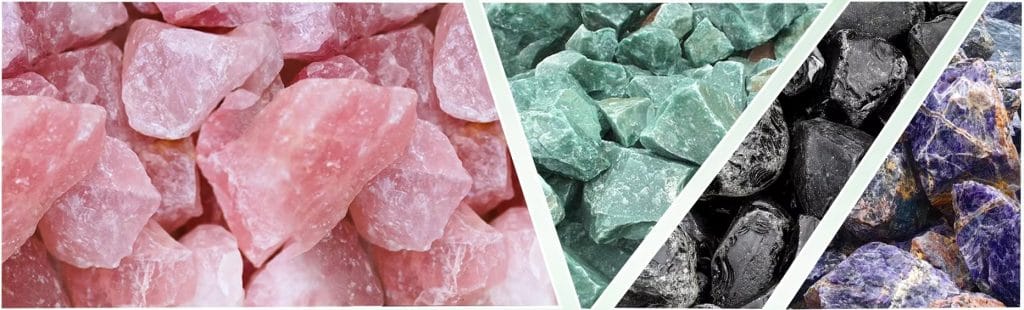
Various Gua Sha materials offer unique characteristics and are suited for different applications. Not only do they vary in price, but they also cater to different settings, durations, and customer needs.
Here’s an analysis of the pros and cons of commonly used Gua Sha materials:
- Jade Gua Sha
Pros: Made from natural materials, cool to the touch, aids in soothing and relaxing the skin, suitable for high-end wellness consumers.
Cons: Relatively expensive, fragile, requires careful handling, best for home or professional care. - Horn Gua Sha
Pros: Natural source, warm feel, long-standing historical use.
Cons: Limited supply, price fluctuations, some consumers may have ethical concerns about animal-derived products. - Stainless Steel Gua Sha
Pros: Durable, easy to clean, modern look, ideal for professional beauty and medical settings.
Cons: Lacks the cooling feel of natural materials like jade, but still a good choice for consumers seeking simplicity and practicality. - Resin Gua Sha
Pros: Affordable, lightweight, resistant to damage, suitable for mass-market and entry-level consumers.
Cons: Less durable, lacks the smooth feel of other materials, often used by general households, especially those with children. - Bamboo/Wood Gua Sha
Pros: Eco-friendly, warm feel, especially favored by consumers with a preference for natural products.
Cons: Less durable than stainless steel and resin, prone to warping with moisture or prolonged use.
4. Choosing the Right Gua Sha Material for Wholesale
With the analysis above, you should have a better understanding of how to select the best material for Gua Sha wholesale based on factors like region, target customers, and budget:
- Target Customer Group and Usage
High-end customers tend to prefer jade or horn Gua Sha boards, suitable for home or personal care. Stainless steel is ideal for professional institutions, while resin and bamboo are suitable for mass-market sales, particularly for online retail. - Inventory Management and Maintenance
Stainless steel and resin are easy to store and maintain, making them ideal for bulk wholesale. Jade and horn require careful storage and handling, which is more suitable for limited or custom wholesale. - Market Acceptance and Regional Preferences
Selecting materials based on regional preferences can significantly boost market acceptance. For example, jade and horn are popular in Asian markets, while stainless steel and resin are preferred in Western markets. - Cost-Effectiveness and Profit Margin
Evaluate the cost-effectiveness of different materials. Resin boards are low-cost, making them ideal for high-volume sales with good profit margins. While jade and horn may have higher costs, they offer a high-end market appeal and premium pricing, suitable for exclusive or custom markets.
If you’re looking to wholesale Gua Sha tools for your store or brand, we are the right partner for you. As a leading Gua Sha manufacturer, we offer a wide range of materials and styles to meet your needs and provide custom branding options. Looking for Gua Sha wholesale? Choose us – Donghua.