
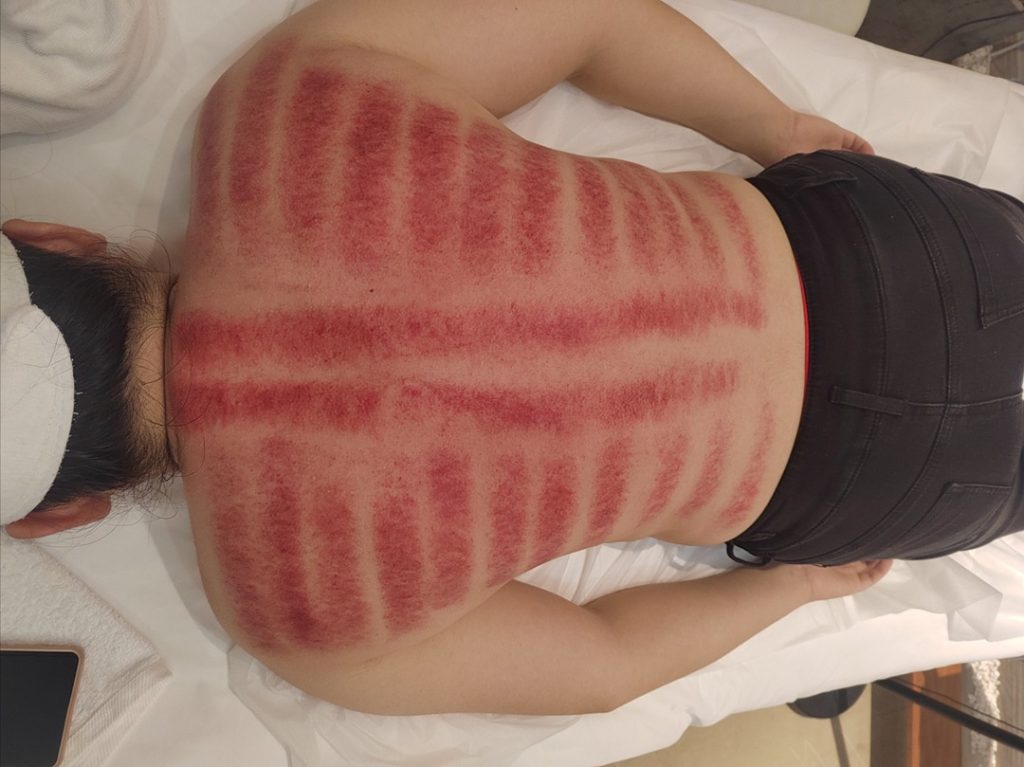
[News Brief – May 09, 2025]Gua Sha, a traditional Chinese healing technique, has grown in popularity in recent years due to its simplicity and rapid effect. While widely embraced in modern wellness routines, healthcare professionals warn that proper understanding of its indications and contraindications is essential to avoid unintended harm.
According to Traditional Chinese Medicine (TCM) practitioners, Gua Sha is commonly used to treat conditions such as colds, muscle soreness, indigestion, and heatstroke. The therapy works by scraping the skin surface with a smooth-edged tool to stimulate circulation, unblock meridians, and improve organ function.
“Gua Sha can be especially effective in relieving early-stage colds, chronic fatigue, and mild heatstroke,” said Dr. Zhang Ying, an internal medicine specialist trained in TCM. “It serves as an excellent complementary therapy under the right circumstances.”
However, Zhang also emphasized that Gua Sha is not suitable for everyone. Individuals with skin wounds, active inflammation, or visible bruises should avoid treatment, as scraping can worsen tissue damage. “The technique involves repeated friction on the skin, which can aggravate existing conditions if not properly evaluated,” she explained.
Those with bleeding disorders or individuals taking anticoagulants are also advised to steer clear of Gua Sha. The therapy often causes minor subcutaneous bleeding, which may pose serious health risks for these groups.
Additionally, special caution is urged for pregnant women, the severely frail, and patients with cardiovascular or cerebrovascular conditions. “It’s well-documented that Gua Sha can cause elevated heart rates, which may be dangerous for these populations,” Zhang added. Such individuals should only receive treatment under medical supervision.
Post-treatment care is another area often overlooked. Experts recommend avoiding immediate exposure to cold air or water, as open pores after scraping can lead to chills and secondary illness. Patients are advised to rest for at least 30 minutes after a session and to keep warm. Persistent symptoms such as dizziness, nausea, or discomfort should be evaluated by a medical professional without delay.
“Gua Sha is a method of body regulation—not a cure-all,” Zhang concluded. “People must approach traditional therapies with rational understanding and not apply them blindly, especially when self-administering treatments.”
As public interest in alternative medicine continues to rise globally, proper education about techniques like Gua Sha is key to ensuring they are used safely and effectively.