
Date: May 13, 2025 | Source: Gua Sha Wholesale Industry Newsroom
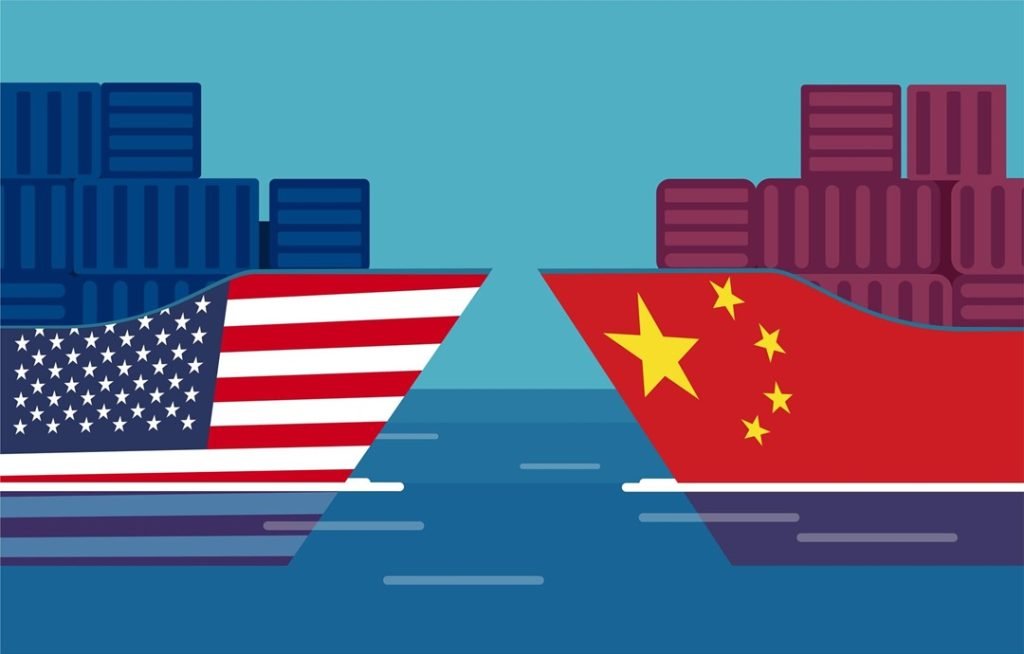
In May 2025, the United States and China reached a pivotal agreement during bilateral economic talks in Geneva, signaling a significant step toward de-escalating trade tensions. The two countries announced that, within the next 90 days, they will implement major tariff reductions. The U.S. will lower tariffs on certain Chinese goods from as high as 145% to 30%, while China will reduce tariffs on American imports to 10%. The news has been widely regarded as a turning point in U.S.-China trade relations and has sparked renewed optimism across export-driven industries — including the gua sha wholesale sector.
However, the benefits of the new tariff agreement come with complications. The recent reform of the U.S. de minimis policy — which had previously allowed duty-free entry for low-value goods — now subjects many gua sha tools to higher import duties. Products like jade gua sha boards and buffalo horn massage tools are now taxed at 54%, in addition to fixed processing charges. This change has caused a sharp rise in shipping and customs costs, especially for vendors relying on cross-border e-commerce platforms such as Shein and Temu.
“A product that used to be profitable at a few dollars now barely breaks even after taxes and shipping,” said a Guangdong-based gua sha wholesaler. “We are reworking our logistics and pricing strategies.”
Industry Response: Adapting to a New Reality
To navigate the rising costs, many gua sha exporters are shifting tactics quickly. Strategies include:
Utilizing overseas warehouses to avoid high direct-import tariffs;
Diversifying markets by expanding into emerging regions such as the Middle East, Latin America, and Southeast Asia;
Upgrading product offerings by positioning gua sha tools as premium wellness products rather than basic beauty accessories.
Despite these efforts, the short-term outlook remains challenging. Many small and mid-sized wholesalers focused on low-volume exports or retail may face a difficult transition period. Some may be forced to exit the market entirely if unable to adapt quickly.
Global Reach Expands as Market Shifts
Nevertheless, experts note that the tariff shift could mark the beginning of a new phase for the gua sha industry. The heavy reliance on the U.S. market has prompted a broader international strategy, inadvertently expanding the global footprint of traditional Chinese medicine. The rising visibility of gua sha in non-Western markets may create new growth opportunities — both culturally and commercially.
“This is not just a challenge; it’s a pivot point,” said an analyst specializing in international trade. “Companies that can rebrand, reposition, and restructure in time will shape the next chapter of this industry.”
Gua Sha Wholesale Looking Ahead
As the industry navigates both pressure and potential, the coming months will be critical. Gua sha wholesalers are being called upon to rethink their export strategies and redefine their market value. Those who innovate and adjust quickly stand the best chance of emerging stronger in the post-tariff adjustment era.
The source of China-US tariff information is: Markets rise as US and China agree to slash tariffs – BBC