
In recent years, stainless steel gua sha tools have become a fast-growing category in the global beauty and wellness market. Compared with traditional stone tools such as rose quartz or jade, stainless steel versions are increasingly positioned as professional-grade, hygienic, and long-lasting.
However, many distributors and private-label brands still ask a practical question: Why do wholesale prices vary significantly between factories? From a source manufacturing perspective, pricing is not arbitrary. It reflects raw material standards, machining processes, surface finishing levels, inspection systems, compliance costs, and logistics structure.
In this article, we will illustrate the wholesale price logic of stainless steel gua sha tools from the factory level. We will also compare cost structures with natural stone tools to provide a clearer and more verifiable understanding.
What Is Stainless Steel Gua Sha and Why It Matters in Wholesale?
Stainless Steel Grades and International Standards
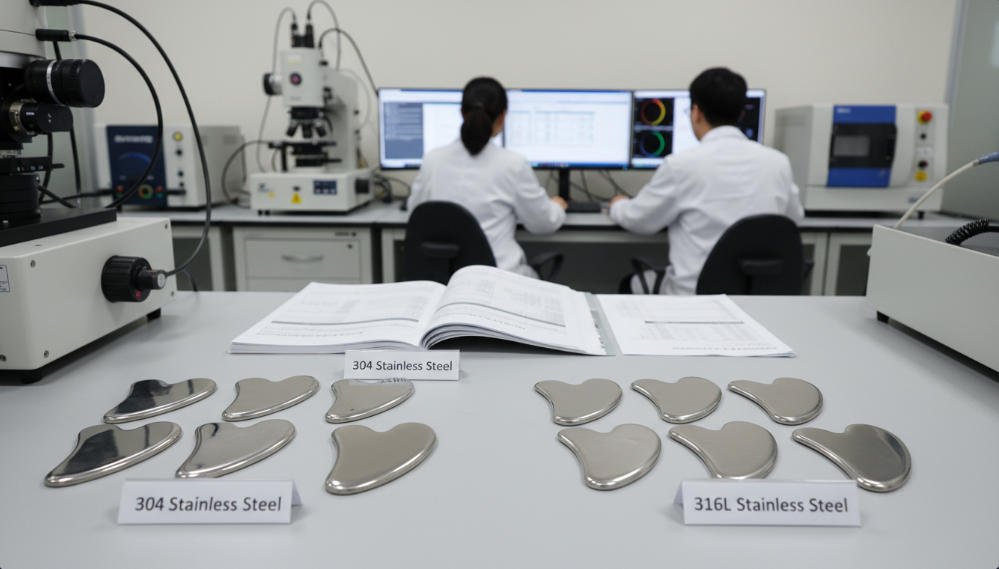
Most stainless steel gua sha tools are made from 304 or 316L stainless steel. These are not marketing terms; they correspond to internationally defined material standards.
For example:
- 304 stainless steel aligns with ASTM A240 Type 304 and EN 10088-1 X5CrNi18-10
- 316L stainless steel aligns with ASTM A240 Type 316L and EN 10088-1 X2CrNiMo17-12-2
Full specifications are published by ASTM International and International Organization for Standardization.
According to ASTM A240:
- 304 nickel content: 8.0–10.5%
- 316L nickel content: 10.0–14.0%
- 316L molybdenum content: 2.0–3.0%
These alloy elements directly influence corrosion resistance and cost. Therefore, confirming the exact grade is essential when evaluating wholesale quotations.
Hygiene Positioning in the Beauty Industry
Stainless steel is non-porous and can withstand alcohol disinfection and autoclave sterilization. Hygiene standards referenced by the Centers for Disease Control and Prevention emphasize the importance of proper sanitation for reusable tools in professional environments.
Because stainless steel surfaces can be polished to extremely low roughness values, they are easier to clean than porous natural stones. This professional positioning affects both manufacturing standards and price expectations.
Raw Material Cost Structure
Nickel Market Influence on Pricing
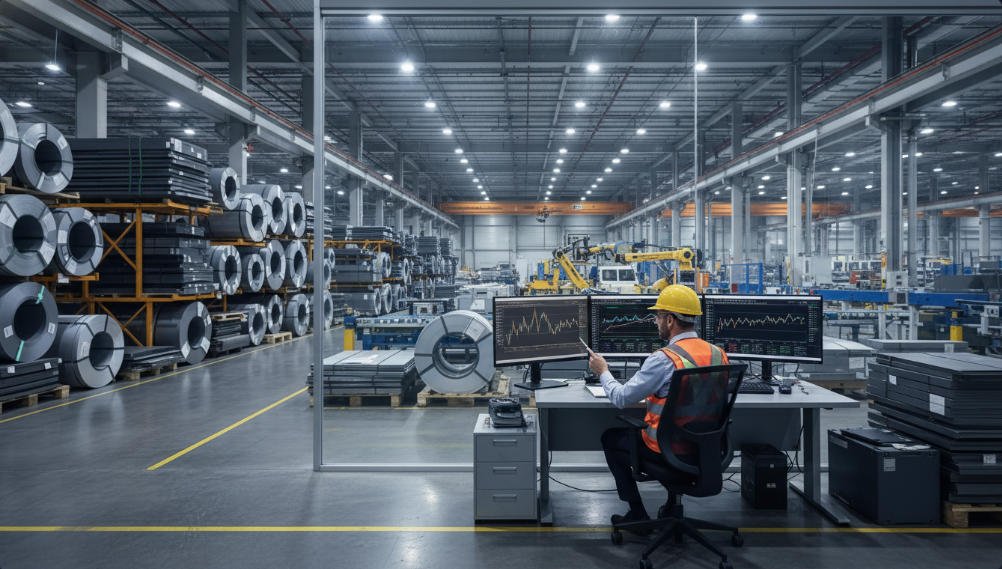
Raw material cost is the first major pricing component. Stainless steel pricing is heavily influenced by global nickel and chromium markets. The London Metal Exchange publishes real-time nickel pricing, which directly affects alloy procurement costs.
In practical factory calculations (based on 2023–2025 averages):
- Raw material accounts for 30–45% of total production cost for 304 grade.
- Switching to 316L can increase material cost share by 5–10 percentage points.
It is important to clarify that market fluctuations do not instantly translate into retail price changes. Factories often buffer raw material inventory for several months, which stabilizes quotations temporarily.
Material Utilization and Scrap Rate
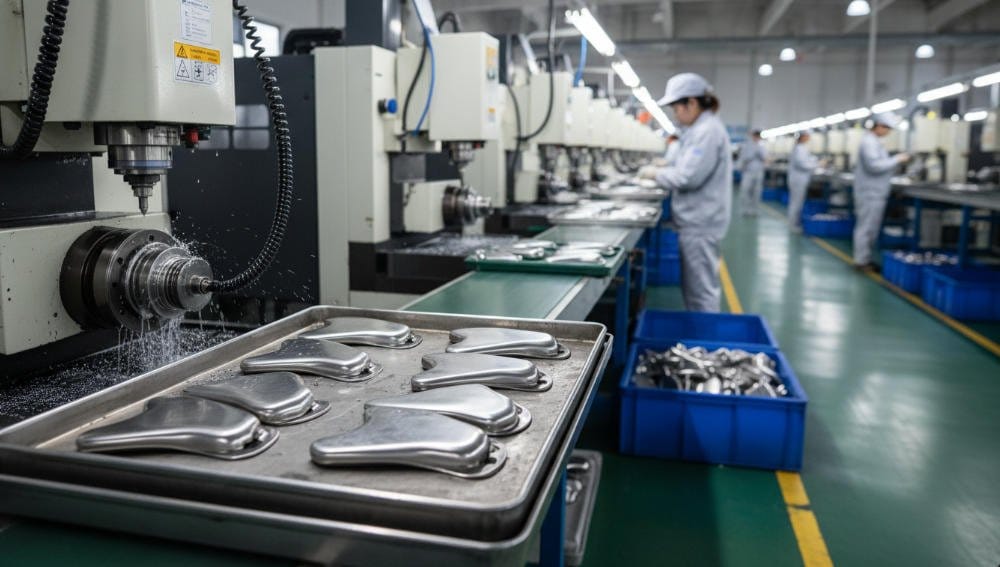
Stainless steel gua sha tools are typically CNC-cut from plates or blocks. Depending on shape complexity, scrap rates range from 6–12%.
For comparison:
- Rose quartz tools may have 20–30% rejection rates due to internal cracks.
- Strict AAA-grade selection may push natural stone rejection beyond 35%.
Therefore, although stainless steel material may appear expensive per kilogram, its predictable structure reduces unexpected waste costs.
Manufacturing and Processing Costs

CNC Machining Cost Breakdown
Unlike stone carving, stainless steel shaping relies on CNC machining. This ensures dimensional precision and repeatability.
Typical machining data from our production floor:
- Simple flat design: 6–8 minutes per unit
- Sculpted design: 10–14 minutes per unit
- CNC hourly operating cost (Asia industrial zone): USD 18–35/hour
- Tooling replacement cycle: 800–1,200 units per carbide bit
Machining usually accounts for 25–35% of total unit cost. Electricity consumption per 1,000 units averages between 28–45 kWh depending on geometry.
Machine depreciation is amortized over a 5–7 year lifecycle. These empirical figures demonstrate that machining cost is measurable, not speculative.
Surface Polishing and Roughness Standards
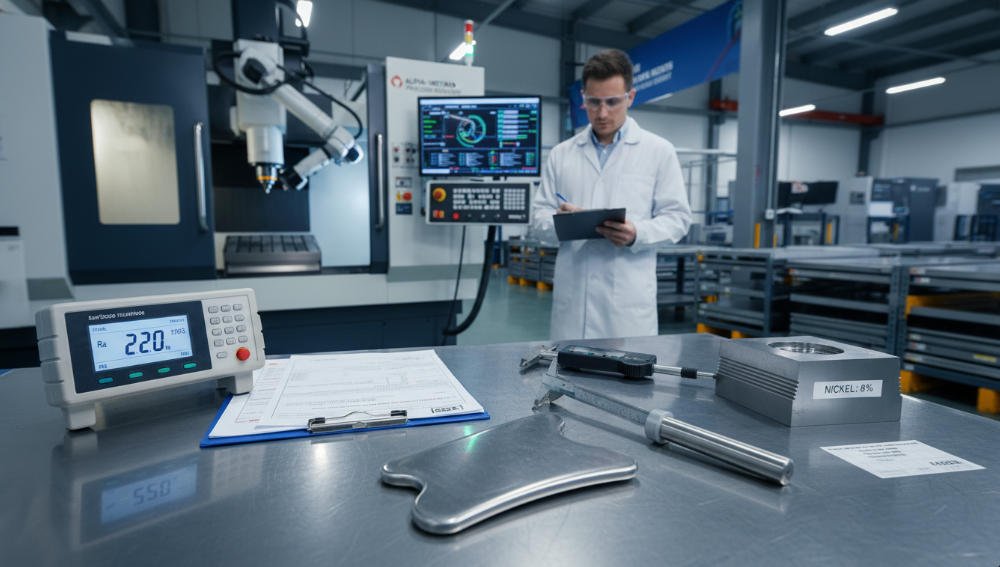
Surface finishing strongly influences both hygiene performance and visual quality. Mirror polishing often targets Ra ≤ 0.2 μm, while matte finishes typically remain below Ra ≤ 0.8 μm.
Surface roughness measurement follows ISO 4287 standards under the International Organization for Standardization framework.
Engineering guidance published by the American Society of Mechanical Engineers explains that smoother surfaces reduce microbial adhesion risks.
Polishing contributes 15–20% to total production cost due to multi-stage grinding and inspection requirements.
Quality Control and Testing Costs
Material Certification and Third-Party Testing
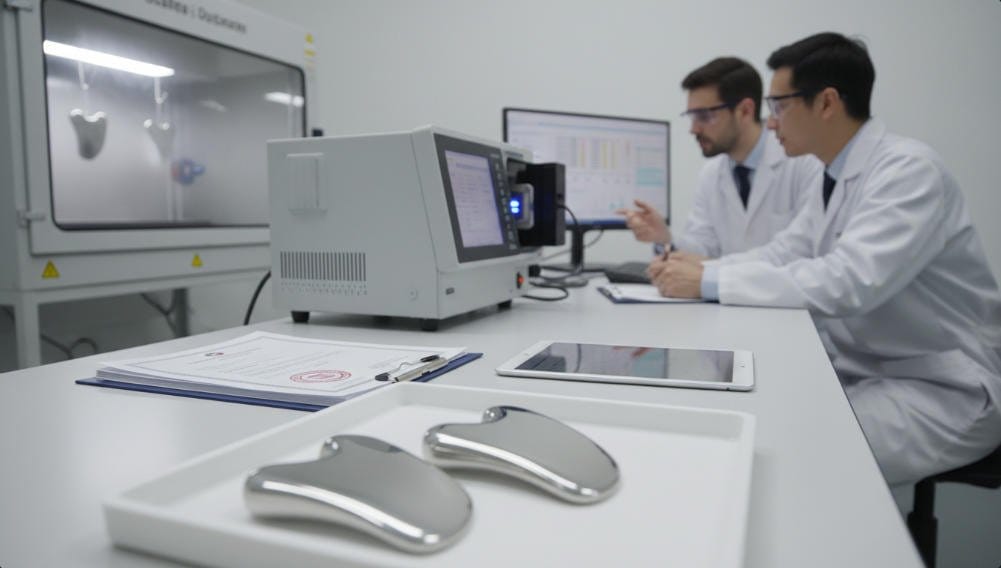
Many B2B buyers request alloy verification and heavy metal testing. Third-party inspections are commonly conducted through organizations such as SGS.
Testing typically covers:
- Alloy composition confirmation
- Surface heavy metal compliance
- Salt spray corrosion testing (when required)
These certifications add cost but significantly increase buyer confidence and reduce regulatory risks.
Inspection Protocol and Sampling
Each batch undergoes:
- AQL 1.5–2.5 random sampling (based on ISO 2859 framework by International Organization for Standardization)
- Surface roughness verification
- Burr and edge inspection under magnification
- Magnetic response confirmation for austenitic grade validation
These inspection steps represent structured quality management rather than informal checks.
Packaging, Branding, and Compliance Transparency
Private Label and Laser Engraving
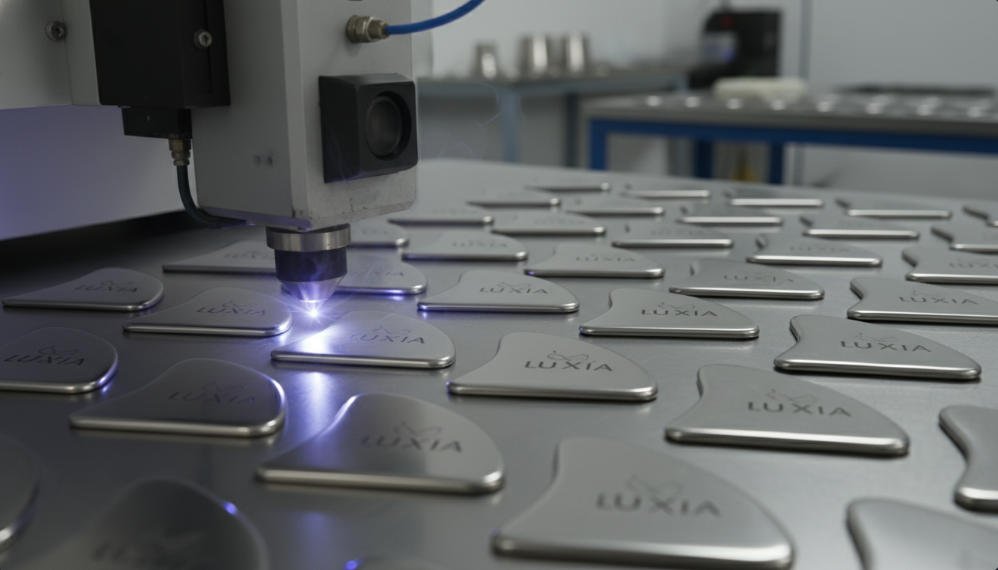
Laser engraving on stainless steel is efficient and durable. Compared with stone engraving, it carries minimal breakage risk. Custom branding increases value perception but adds marginal production time.
Regulatory and Export Alignment
Although stainless steel gua sha tools are categorized as cosmetic accessories rather than medical devices, regulatory awareness remains important.
We align material sourcing and export practices with guidance frameworks from:
- U.S. Food and Drug Administration
- European Chemicals Agency
- U.S. Customs and Border Protection
Available documentation includes:
- MSDS sheets
- REACH declarations
- HS code export classification
- Third-party inspection reports upon request
Transparency in documentation strengthens long-term B2B trust.
Transportation and Shipping Considerations
Stainless steel is denser than natural stone. A typical stainless steel gua sha weighs around 110–130 grams, while a rose quartz version may weigh 70–90 grams.
This increases freight cost, especially for air shipping. However, stainless steel tools are highly resistant to breakage, which reduces damage claims and replacement costs.
Therefore, transportation cost must be evaluated alongside durability advantages rather than in isolation.
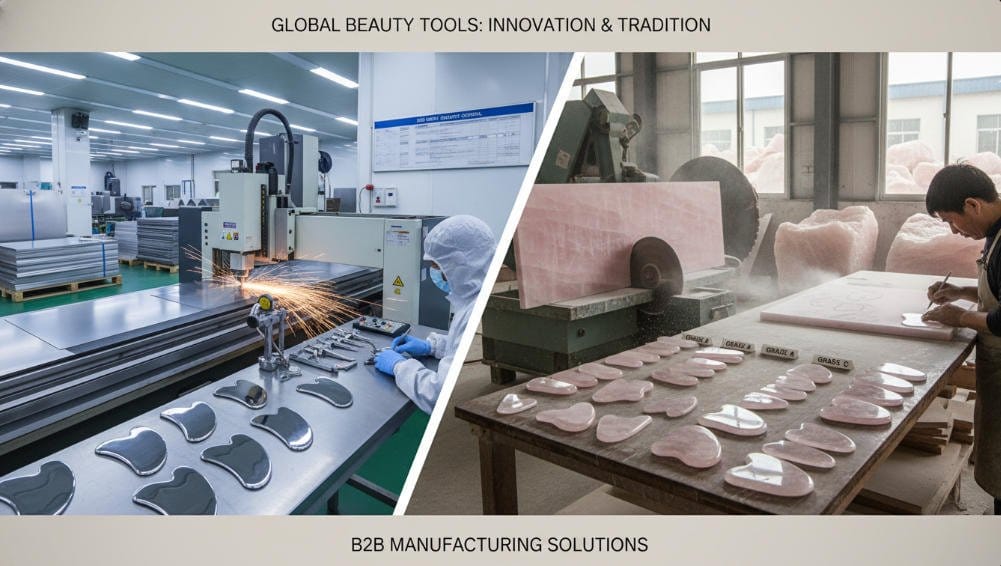
Comparing Stainless Steel and Rose Quartz Cost Logic
Stainless steel offers:
- Stable alloy composition
- Predictable scrap rates
- CNC scalability
- High hygiene positioning
Rose quartz offers:
- Natural aesthetic appeal
- Lower metal market exposure
- Traditional wellness image
From a factory pricing standpoint, stainless steel emphasizes industrial precision and compliance transparency, while natural stone emphasizes mineral grading and artisanal variability.
Wholesale Price Structure Overview
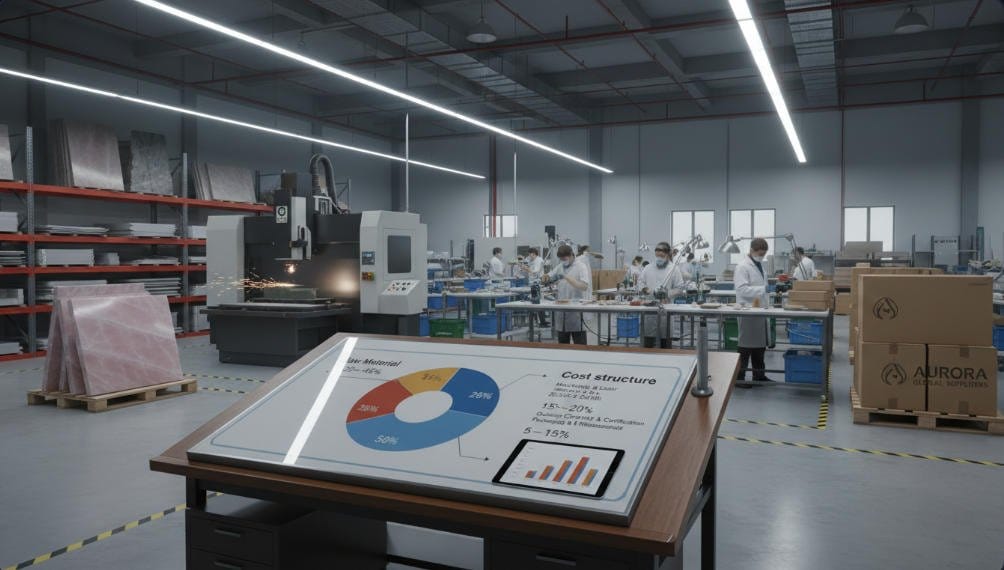
Based on average 1,000–10,000 unit orders:
- Raw Material: 30–45%
- Machining & Labor: 25–35%
- Polishing & Finishing: 15–20%
- Quality Control & Certification: 5–10%
- Packaging & Miscellaneous: 5–15%
These percentages are derived from internal production data between 2023–2025 and may vary depending on grade selection and design complexity.
Final Conclusion: Verifiable Logic Behind Stainless Steel Gua Sha Pricing
The wholesale pricing of stainless steel gua sha tools is grounded in measurable factors:
- Internationally recognized material standards
- Nickel-driven alloy economics
- CNC machining time and tooling wear
- Surface roughness requirements
- Structured quality sampling systems
- Compliance documentation transparency
From a source factory perspective, authority is not built through marketing language alone. It is built through material traceability, standard alignment, measurable machining parameters, and documented inspection protocols.
When buyers understand these structural components, stainless steel gua sha pricing becomes clear, rational, and verifiable. And in global B2B trade, verifiability forms the foundation of both authority and trust.